Modern vehicles depend on PCM, ECU, and ECM systems to meet strict emissions standards, optimize fuel economy, and deliver consistent performance. Whether foreign or domestic, every manufacturer relies on digital engine management systems because mechanical control alone cannot meet today’s regulatory requirements.
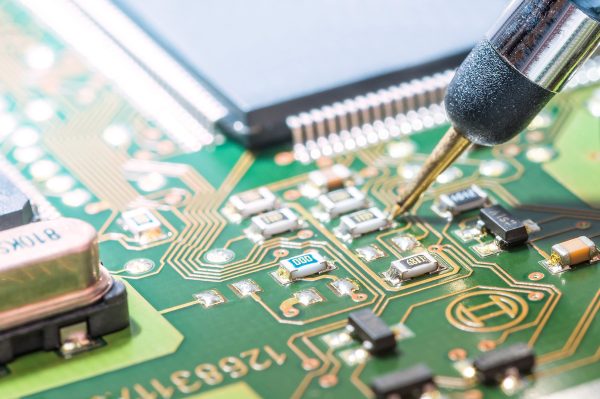
Engine computers manage fuel injection, ignition timing, emissions systems, transmission shifting, adaptive learning, and onboard diagnostics. This level of precision requires complex circuitry operating under constant electrical load.
Over time, exposure to heat, vibration, voltage fluctuations, and environmental stress leads to normal electronic aging. Capacitors weaken. Solder joints fatigue. Circuit boards expand and contract thousands of times.
Manufacturers design vehicles to meet durability targets, often 8–15 years of reliable service. Engine computers are not designed to fail prematurely, but like any electronic component, they have a lifespan.
Global suppliers such as Bosch, Denso, Delphi, and Continental manufacture modules used across foreign and domestic brands. This standardization means PCM failure patterns are not limited to one country or manufacturer.
PCM replacement is not typically a design flaw. It is the result of advanced electronics operating in harsh under-hood environments for extended periods.